A Different Way to Learn
At Anchor Learning Academy, we believe students can be bright, curious, and capable—and still struggle in a traditional school environment.
Some students need more time. Others need to move. Some need information presented explicitly and systematically. Others understand complex ideas but struggle to organize their thoughts, manage assignments, read efficiently, or show what they know.
And some have simply spent too much time feeling like school is something they aren't good at.
Anchor Learning Academy was created for these students.
Our educational model combines very small classes, individualized instruction, academic challenge, flexibility, and meaningful relationships in an environment where students can learn without having to fit into a one-size-fits-all system.
Small by Design
Small classes aren't simply a feature of Anchor. They are central to how we teach.
Our small learning groups allow teachers to:
Know each student's strengths and challenges
Adjust instruction in real time
Provide frequent feedback
Differentiate assignments and expectations
Recognize when a student needs more support—or more challenge
Build strong relationships with students
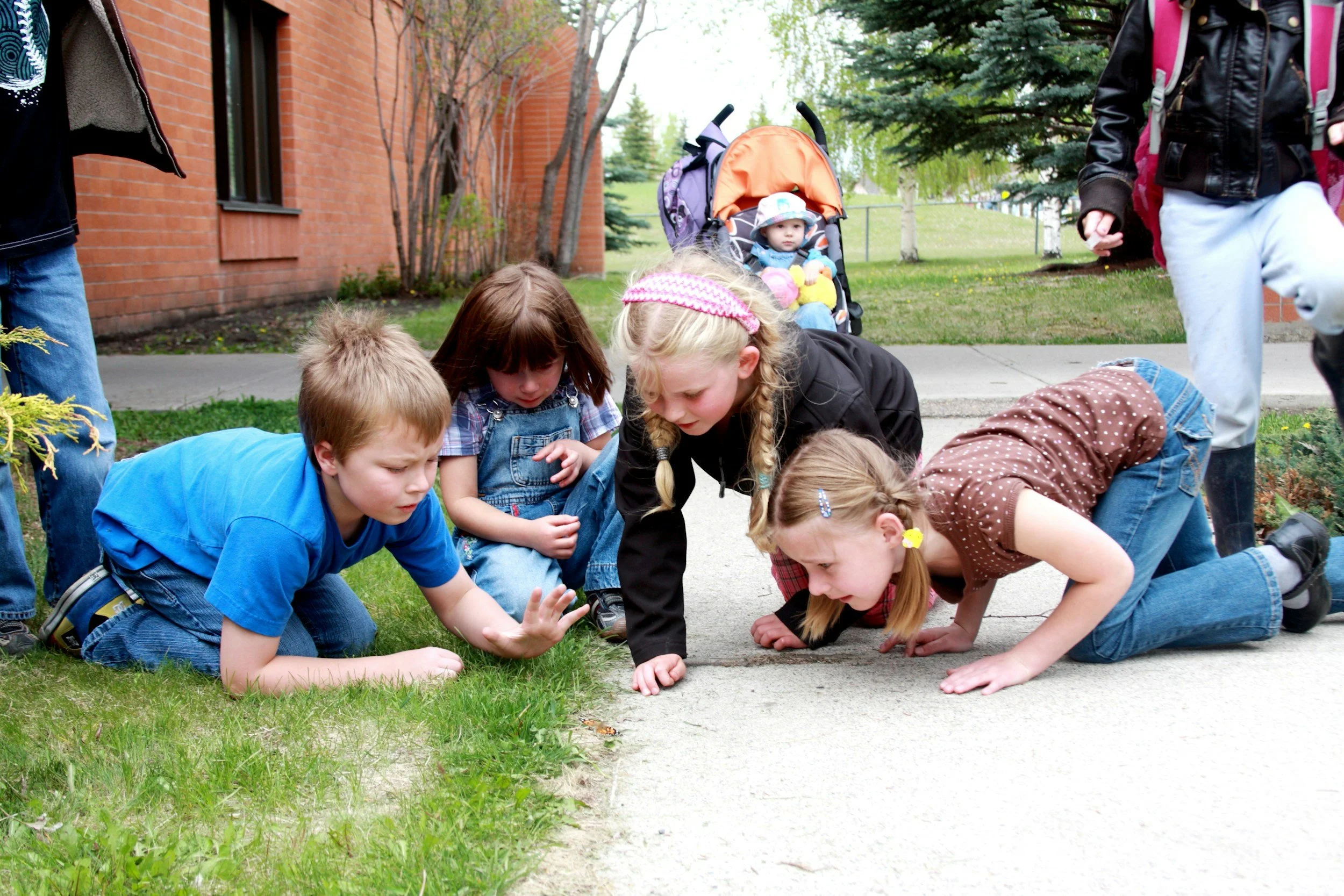
Create opportunities for meaningful discussion and collaboration
Students are part of a community without getting lost in a crowd.
Individualized Without Being Isolated
Individualized education doesn't have to mean sitting alone with an adult all day.
At Anchor, students learn alongside peers in very small groups while instruction is adapted to their individual learning profiles.
Two students may be studying the same concept while using different texts, supports, pacing, or methods to get there.
We want students to experience both:
“My teachers understand how I learn.”
and
“I belong to a community of learners.”
Academically Appropriate and Challenging
Learning differently does not mean learning less.
Many Anchor students are bright students whose academic abilities may be masked by dyslexia, ADHD, anxiety, executive-function challenges, or previous struggles in school.
We meet students where they are while continuing to move them forward.
Instruction is designed to provide the support students need without unnecessarily lowering expectations.
The goal is not simply to make school easier.
The goal is to make learning accessible.
Executive Function Is Part of Learning
Knowing what to do and knowing how to manage doing it are two different skills.
Students may understand academic material but struggle with:
Starting assignments
Organizing materials
Managing time
Breaking larger tasks into manageable steps
Remembering directions
Planning long-term projects
Prioritizing work
Advocating for help
At Anchor, executive-function skills aren't treated as something students should simply “figure out.”
They are taught, modeled, practiced, and reinforced throughout the school day.
Literacy Matters
Reading and writing affect nearly everything a student does in school.
Our academic program incorporates evidence-based literacy practices and explicit instruction designed to support students with language-based learning differences.
Students who require more intensive individualized reading intervention may also receive 1:1 Structured Literacy/Wilson instruction through Anchor Literacy & Learning, which can be incorporated into the school day when appropriate.
This allows us to provide strong literacy instruction within the school program while giving students who need intensive intervention access to additional individualized support.
Movement Is Not a Reward
Some students think better when they move.
Our classrooms are designed to allow appropriate movement, flexible seating, breaks, and changes in learning environment throughout the day.
Students don't have to spend their energy trying to sit perfectly still before they're allowed to learn.
We help students understand what their bodies and brains need in order to focus—and how to use those strategies appropriately and independently.

Supporting Students With Anxiety
For some students, anxiety and school have become deeply connected.
They may worry about making mistakes, reading aloud, completing work quickly enough, keeping up with classmates, taking tests, or simply walking through the school doors.
A smaller, predictable environment can change that experience.
Our goal is not to remove every challenge or uncomfortable moment. Students need opportunities to take risks, make mistakes, solve problems, and discover what they're capable of doing.
We provide the relationships, structure, flexibility, and support that allow them to do those things safely.
Learning Beyond a Desk
Learning should not happen only through worksheets, textbooks, and lectures.
Whenever possible, students engage with material through:
Hands-on experiences
Projects
Discussion
Problem solving
Real-world applications
Technology
Creative work
Collaborative learning
We want students to understand why they're learning something—not simply complete an assignment.
Individualized & Related Services
Some students benefit from additional services beyond Anchor's core educational program.
When appropriate, these services can be incorporated into a student's school-day schedule.
Additional services may include:
1:1 Structured Literacy/Wilson instruction through Anchor Literacy & Learning
Individual academic intervention
Executive-function coaching
Speech-language therapy
Occupational therapy
Individualized and related services are arranged according to each student's needs and may involve additional fees.
Progress That Matters
We believe progress should be visible.
Teachers continually monitor student performance through classroom work, observation, discussion, assessments, and individual goals.
Families receive regular communication about both academic progress and the skills that often determine whether students can successfully access academics—independence, organization, confidence, persistence, and self-advocacy.
We don't measure success only by a report-card grade.
We look at whether a student is becoming a stronger, more capable, and more independent learner.
The Goal: Independence
Support matters.
But the ultimate purpose of support is not to make students dependent on it.
We want students to understand:
How they learn
What strategies work for them
When they need help
How to ask for it
How to persist when something is difficult
How to advocate for themselves
Over time, we gradually shift responsibility toward the student.
Because success isn't simply getting through today's assignment.
It's developing the skills and confidence to navigate whatever comes next.